October 29, 2026
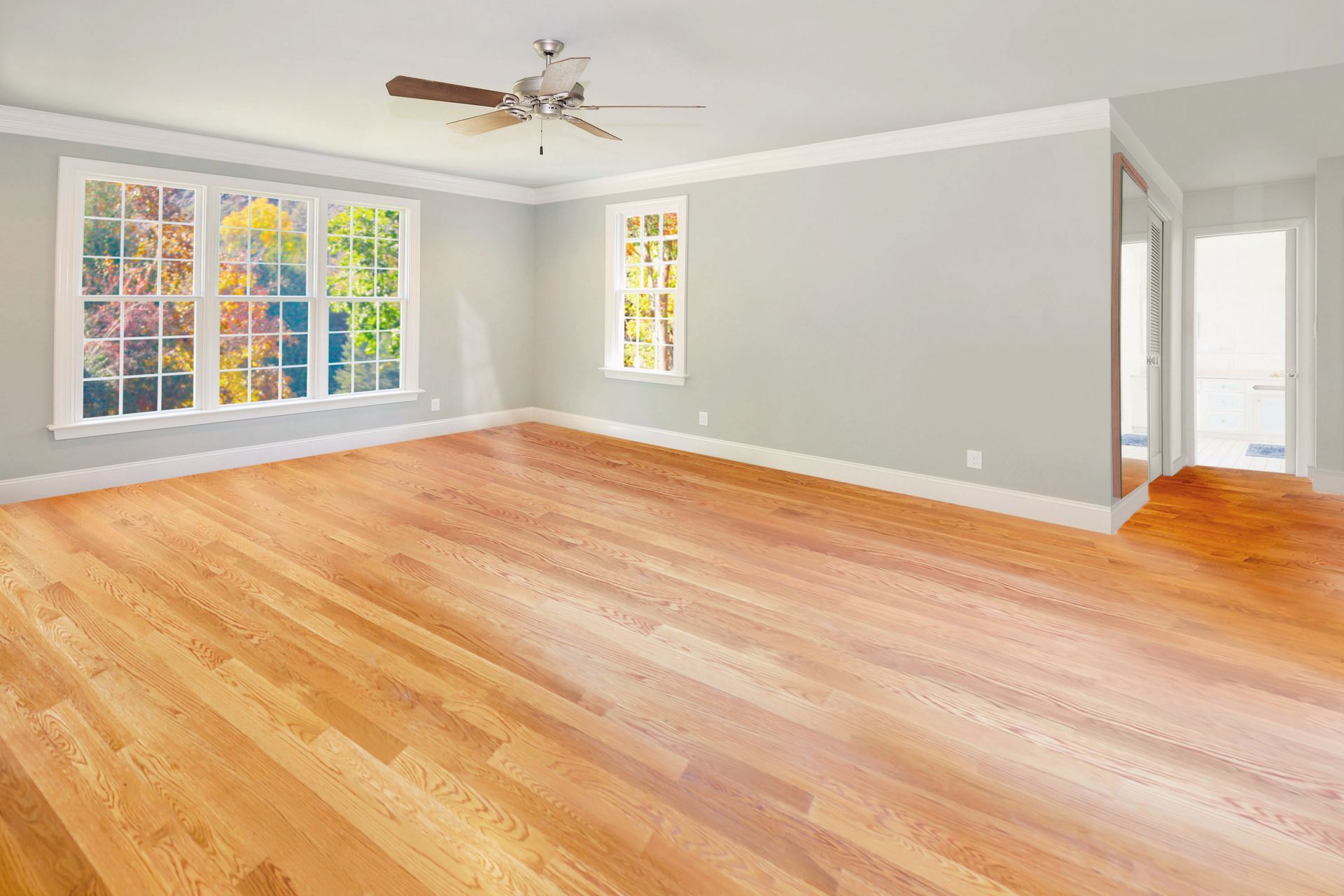
Hardwood floors bring natural warmth, timeless character, and lasting value to a home. With a wide range of wood species, plank widths, and finishes available, homeowners can find options that complement nearly any interior design. However, preserving their appearance and structural integrity requires consistent care, thoughtful installation, and a few practical precautions. By understanding how daily habits affect your floors, you can protect your investment and enjoy beautiful living spaces for decades.
Start With Proper Installation and Material Selection
Choose a Wood Species That Fits Your Lifestyle
Selecting the right wood species is an important first step toward long-lasting floors. Oak, maple, and cherry each offer distinct grain patterns, colors, and characteristics that influence the overall appearance of a room. Consider how much foot traffic your home receives, whether you have pets, and how frequently you entertain guests before making your decision. A busy household may benefit from a harder wood species that better resists everyday wear.
Your preferred aesthetic also matters when choosing hardwood flooring. Traditional narrow planks can create a classic appearance, while wide planks emphasize the natural grain and texture of the wood. Custom stains and finishes provide additional opportunities to coordinate your floors with cabinetry, furniture, and wall colors. Choosing materials that suit both your lifestyle and design preferences helps you create a foundation that remains appealing as your home evolves.
Prepare the Subfloor Before Installation
Even high-quality materials can develop problems when installed over an unsuitable subfloor. The underlying surface should be clean, dry, stable, and level enough to support the selected floor. Uneven areas can contribute to movement, gaps, or squeaking, while excess moisture may cause wood to swell, warp, or buckle. Addressing these conditions before installation helps prevent avoidable repairs later.
Moisture management is especially important because wood naturally responds to changes in its surrounding environment. Professional installers can evaluate the subfloor, check moisture conditions, and determine whether additional preparation is necessary. They can also recommend solid or engineered wood based on the room and installation requirements. Proper preparation establishes a stable foundation that supports the performance of your new floors.
Allow the Wood to Acclimate
Hardwood flooring needs time to adjust to the temperature and humidity conditions inside your home. This acclimation process helps the material reach an appropriate moisture balance before installation, reducing the likelihood of excessive expansion or contraction afterward. The required period varies according to the product, manufacturer instructions, and environmental conditions, so there is no single timeline that applies to every project.
Maintaining suitable indoor conditions before and after installation also supports long-term performance. Avoid rushing the installation schedule simply to finish the project sooner. Instead, follow the manufacturer's recommendations for acclimation, moisture testing, and installation procedures. When these steps are handled correctly, hardwood flooring is better positioned to remain stable and retain its intended appearance through seasonal changes.
Establish a Consistent Cleaning and Protection Routine
Remove Dirt Before It Scratches the Surface
Dust, grit, and small debris can gradually wear down a floor's protective finish as people walk across it. Regular sweeping with a soft-bristled broom or vacuuming with an appropriate hardwood attachment removes these particles before they become a problem. Pay particular attention to entryways, hallways, and other areas that receive frequent foot traffic, where abrasive debris tends to accumulate quickly.
A consistent cleaning schedule is more effective than waiting until dirt becomes noticeable. Depending on household activity, you may need to clean busy areas daily and less frequently used rooms several times a week. Avoid vacuum attachments with rotating brush rolls unless the manufacturer specifically approves them for your hardwood flooring. These simple precautions help preserve the finish and keep the natural wood grain looking its best.
Use Appropriate Cleaning Products and Methods
Although wood floors are durable, excessive moisture can damage them. Use a cleaner formulated for your particular finish and follow its application instructions. A lightly damp microfiber mop is generally preferable to a soaking wet mop, and standing water should be removed promptly. Steam cleaners and harsh chemicals can damage certain finishes, so avoid them unless the flooring manufacturer explicitly recommends their use.
Regular maintenance should also include inspecting the surface for spills, sticky residue, and other substances that could affect the finish. Blot liquid spills promptly rather than allowing moisture to sit on the boards. When cleaning hardwood floors, resist the temptation to use excessive detergent or water in an attempt to achieve a deeper clean. Appropriate products and gentle techniques help maintain the protective coating without introducing unnecessary moisture.
Maintain the Finish and Address Problems Early
Control Indoor Temperature and Humidity
Wood expands and contracts in response to changes in moisture levels, which means indoor environmental conditions influence floor performance. Extremely dry air can contribute to gaps or cracking, while excessive humidity may cause boards to swell. Maintaining relatively stable indoor conditions throughout the year helps minimize these fluctuations and supports the long-term stability of the floor.
Pay attention to seasonal changes, especially when heating systems operate frequently or outdoor humidity rises. Follow the flooring manufacturer's recommended temperature and humidity ranges, and use appropriate climate-control measures when necessary. Engineered wood may offer greater dimensional stability than some solid wood products, but it still requires suitable environmental conditions. Consistent indoor humidity helps protect both the appearance and function of your floors.
Polish and Refinish When Needed
Routine cleaning removes dirt, but it does not replace the maintenance needed to preserve a floor's finish. According to This Old House, homeowners should consider polishing their floors two to four times annually and refinishing them every seven to 10 years when necessary. The appropriate schedule depends on the finish, traffic levels, and visible wear. Following product-specific recommendations helps prevent unnecessary treatment while keeping the surface in good condition.
Polishing can refresh the appearance of compatible finishes, while refinishing addresses more substantial surface wear. Depending on the floor's condition and construction, refinishing may involve removing the existing finish, sanding the surface, and applying a new protective coating. Solid wood can generally be refinished multiple times, while engineered products have limitations based on their surface veneer. Consult a hardwood floor professional to determine which treatment is appropriate for your specific material.
Repair Minor Damage Before It Spreads
Small scratches, loose boards, gaps, and damaged finish areas should be evaluated before they become more extensive problems. Some superficial marks can be addressed with manufacturer-approved touch-up products, while deeper scratches or moisture-related damage may require professional attention. Avoid using generic fillers or repair products without confirming their compatibility with the wood species and finish.
Regular inspections make it easier to identify changes that may indicate a developing issue. Look for persistent discoloration, unusual movement, widening gaps, or boards that appear raised above the surrounding surface. These symptoms can result from several causes, including moisture exposure, subfloor problems, or normal material movement. Promptly identifying the cause allows you to choose an appropriate repair and helps protect the surrounding hardwood flooring from additional damage.
Keeping hardwood floors beautiful for a lifetime begins with careful material selection, proper installation, and consistent maintenance. Regular cleaning, protective furniture pads, stable indoor humidity, and timely finish repairs all contribute to lasting performance. By addressing minor concerns early and following the manufacturer's care recommendations, you can preserve your floors' natural character and enjoy their warmth and elegance for decades. Contact Frontier Floors & Window Coverings to explore your hardwood floor options and schedule a free estimate for your home.